Does Coin Master Make Kids Addicted to Gambling?
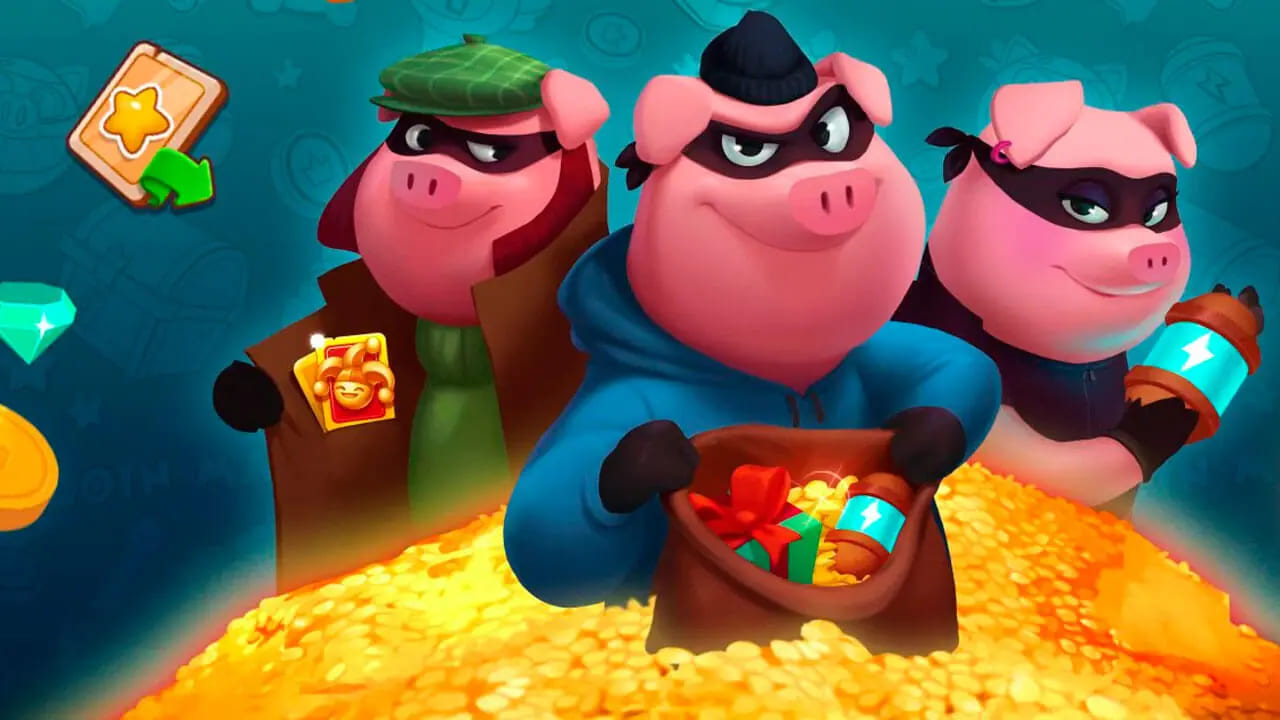
Coin Master sits at the top of the casual gaming charts, and a lot of its players are kids. That popularity naturally raises a fair question from parents: could a game built around daily logins and spinning a slot-style wheel quietly turn into a gambling habit? The short answer is no, not if play time is kept in check — but it's worth understanding why.
What Actually Makes Casual Games Like This Different
Coin Master blends a slot-machine-style spinning mechanic with the lighter structure of a casual builder game. There's no violence, no mature themes, and no storyline that exposes players to anything disturbing — the tone stays cartoonish and upbeat throughout.
Most researchers who study digital media place games like this closer to "guide games" than gambling products, since the spin mechanic exists to drive progress through a level system rather than to risk real money. Coin Master illustrates this well: each village in the game represents a different historical era or region, so progressing through levels doubles as light cultural exposure for younger players.
Warning Signs Worth Watching For
That said, any game with strong "keep playing" hooks deserves attention from parents. A few signs suggest a child's playtime has crossed into unhealthy territory:
- Playing for four or more hours without any break
- Reacting with panic, fear, or anger when asked to stop
- Repeatedly asking for money to buy in-game currency or items
- The game starting to crowd out everyday activities and relationships
If even one of these shows up consistently, it's worth scaling back screen time and, if needed, talking to a professional about healthy gaming habits.
How Coin Master's Mechanics Compare to Real Slot Machines
Coin Master actually blends three separate mechanics: a spinning reel (similar in spirit to a slot machine), a level-progression system where players unlock and upgrade villages, and a layer of bonus features — wheels, timed events, and pets — that keep the experience fresh.
Traditional casino slot machines, by contrast, run on a single mechanic: a random number generator decides which symbols land, and matching combinations pay out. There's no village-building, no progression system, and no pet companions — just bets and spins. Coin Master's layered design is part of why it feels more like a game than a gambling product, even though the spinning reel borrows visual language from slots.
Where Interactive Elements Come In
One thing that sets Coin Master apart from a typical slot machine is its social layer. Players can attack or raid other villages, team up with friends to complete shared challenges, trade cards, and take part in community events on social media. Slot machines offer none of this — at most, players might chat about strategy on a forum elsewhere.
Age Ratings Around the World
Coin Master itself carries an official 12+ rating on both the App Store and Google Play. For comparison, similar casual titles vary — some sit as low as 3+ for younger audiences, others match Coin Master at 12+.
Regional ratings bodies enforce slightly different standards: North and South America rely on the ESRB, Europe and the Middle East use PEGI, and Germany applies its own USK system. Each evaluates things like mild cartoon violence, sound intensity, and competitive elements differently — which is why the same game can carry different age labels depending on where it's downloaded.
The catch with any age rating is enforcement — there's rarely a reliable way to confirm a player's actual age, especially if a child is using a parent's device. Before installing any casual game for a child, it's worth checking independent reviews, watching gameplay footage, and comparing how different regions rate the content.
The Bottom Line
Coin Master isn't designed as a gambling product, and its mechanics differ meaningfully from a real slot machine. Still, like most attention-driven mobile games, it's built to encourage frequent play. The healthiest approach is the simple one: keep an eye on playtime, watch for the warning signs above, and treat it the same way you'd treat any other screen-time habit.